

Last month, I watched my colleague Sarah transform her overwhelming work stress into manageable calm simply by dedicating ten minutes each morning to deep breathing exercises. She didn’t spend a dime on expensive therapy sessions or wellness retreats. Instead, she discovered what countless research studies confirm: the most effective mental health boosters often cost nothing at all. I’ve identified seven proven activities that’ll help you build the same resilience Sarah found, starting with techniques you can try today.
Design Highlights
- Practice deep breathing exercises (4-4-6 count) and 5-minute daily mindfulness meditation to activate your body’s natural calm response.
- Spend at least 20 minutes outdoors daily through nature walks, forest bathing, or outdoor photography to reduce stress hormones.
- Write three daily gratitude entries for five minutes to rewire negative thought patterns and improve sleep quality.
- Schedule regular meaningful conversations with friends and family using open-ended questions to strengthen emotional bonds and support.
- Express yourself through free creative activities like art journaling, writing, music, or bodyweight exercises to release emotions naturally.
Practice Deep Breathing and Mindfulness Meditation
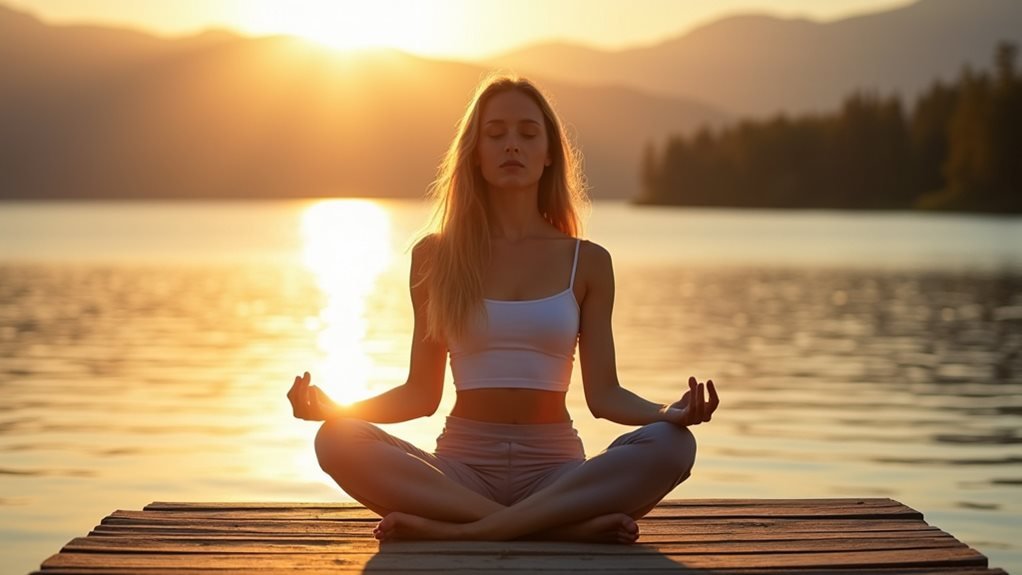
When stress overwhelms your mind, deep breathing serves as your most accessible reset button. I’ll show you how this simple practice can transform your mental state within minutes.
Start with breath awareness by finding a quiet spot and sitting comfortably. Place one hand on your chest, another on your belly. Breathe in slowly through your nose for four counts, feeling your belly rise. Hold for four counts, then exhale through your mouth for six counts. This activates your parasympathetic nervous system, instantly calming anxiety.
Mindfulness meditation builds on this foundation. Focus on your breath while practicing mindful observation of thoughts without judgment. When your mind wanders, gently return attention to breathing. Start with five minutes daily.
These techniques cost nothing yet deliver powerful results. You’ll notice reduced stress, improved focus, and better emotional regulation. Make them your daily mental health toolkit.
Take Nature Walks and Spend Time Outdoors
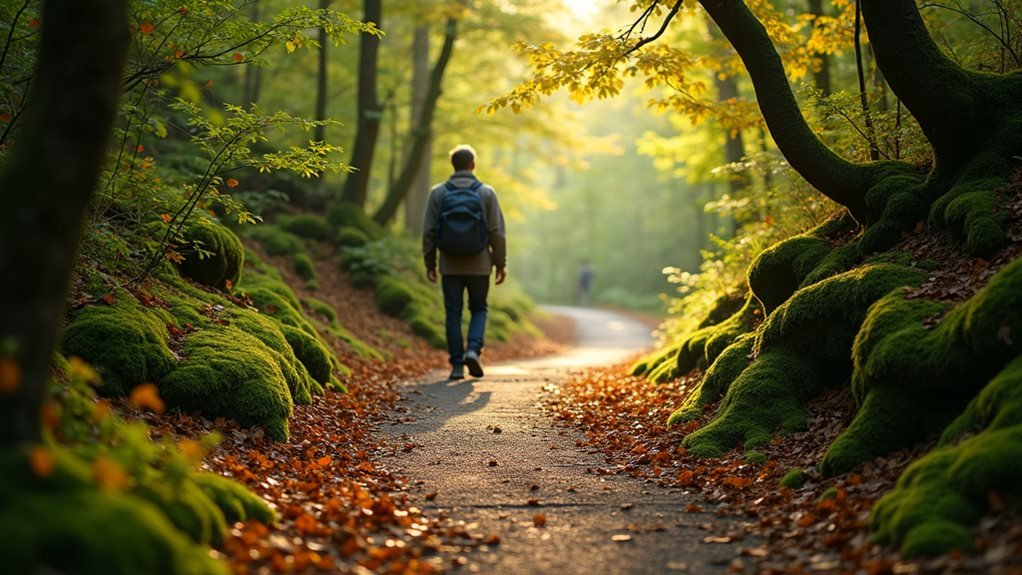
While deep breathing creates calm from within, stepping outside amplifies these benefits through nature’s healing power. I recommend spending at least 20 minutes outdoors daily to reduce stress hormones and boost your mood naturally.
Nature walks don’t require hiking gear or distant trails. Your local park, neighborhood streets lined with trees, or even your backyard can provide mental health benefits. The Japanese practice of forest bathing—simply being present among trees—has proven therapeutic effects on anxiety and depression.
I suggest combining outdoor time with creative activities like outdoor photography. Capturing natural beauty shifts your focus from worries to the present moment while building a positive visual diary of your experiences.
Fresh air increases oxygen flow to your brain, improving concentration and energy levels. Sunlight exposure helps regulate your circadian rhythm and boosts vitamin D production.
Even on cloudy days, natural light surpasses indoor lighting for mental clarity and emotional balance.
Start a Gratitude Journal or Daily Reflection Practice

Gratitude transforms your mental landscape by training your brain to notice positive moments rather than dwelling on problems. I recommend starting with just five minutes daily, writing three things you’re grateful for. This simple practice rewires your thought patterns toward positivity.
The journaling benefits extend beyond momentary happiness. Research shows regular gratitude practice reduces anxiety, improves sleep quality, and strengthens relationships. You’ll develop emotional resilience as you consistently acknowledge life’s bright spots.
If you’re struggling with what to write, try gratitude prompts like “What made me smile today?” or “Who showed me kindness this week?” You can also reflect on small pleasures—your morning coffee, a text from a friend, or a comfortable bed.
Keep your journal by your bedside and write either first thing in the morning or before sleep. Don’t worry about perfect sentences; bullet points work perfectly.
The key is consistency, not eloquence.
Connect With Friends and Family Through Meaningful Conversations

Deep conversations create stronger bonds than surface-level small talk, offering your mind the emotional nourishment it craves.
I’ve found that scheduling regular video calls with loved ones transforms my mental state more than any expensive therapy session.
Set aside dedicated time for meaningful dialogue. Ask open-ended questions like “What’s been challenging you lately?” or “What’s bringing you joy right now?”
These prompts encourage authentic sharing that strengthens relationships while providing mutual emotional support.
Create or join group chats focused on deeper topics rather than daily logistics. Share personal victories, struggles, or thoughts that matter to you.
You’ll discover that others often experience similar feelings, reducing isolation and building community.
Don’t underestimate the power of vulnerability. When you share honestly, you give others permission to do the same.
This creates a positive feedback loop of connection and understanding that greatly improves your mental wellbeing without spending a penny.
Engage in Creative Expression Through Art, Writing, or Music

Creative expression opens up emotional release in ways that conversation alone can’t achieve. When you engage with art, writing, or music, you’re tapping into a powerful self-care tool that processes emotions through creativity rather than words alone.
Art journaling combines visual expression with written reflection, letting you explore feelings through colors, shapes, and sketches alongside your thoughts. You don’t need artistic skill—just grab markers, colored pencils, or paint and let your emotions guide your hand across the page.
Songwriting sessions offer another outlet for emotional processing. Whether you’re humming melodies in the shower or writing lyrics in a notebook, creating music helps you externalize internal experiences. You can write about your day, your struggles, or your dreams.
Writing poetry, short stories, or stream-of-consciousness entries also provides mental relief. These creative practices cost nothing but offer immense therapeutic value, helping you understand yourself better while reducing stress and anxiety.
Establish a Consistent Sleep Routine and Digital Detox
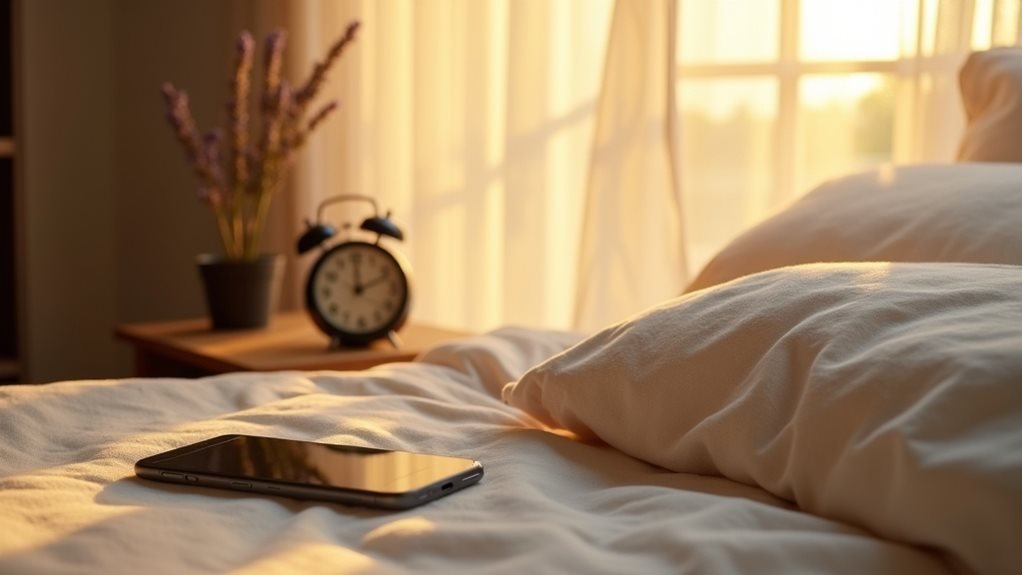
When your sleep schedule becomes erratic and screens dominate your evening hours, your mental health pays the price through increased anxiety, poor focus, and emotional instability.
I’ve found that establishing solid sleep hygiene creates a foundation for better mental wellness.
Start by setting a consistent bedtime and wake time, even on weekends. Create a calming pre-sleep ritual: dim the lights, read a physical book, or practice gentle stretches. Your bedroom should be cool, dark, and quiet.
Digital boundaries are equally essential for mental health. I recommend implementing a “digital sunset” one hour before bed—no phones, tablets, or computers. The blue light from screens disrupts your natural sleep cycle and keeps your mind overstimulated.
Consider charging your devices outside the bedroom entirely. Replace late-night scrolling with journaling, meditation, or listening to calming music.
These simple changes dramatically improve sleep quality and reduce daily stress levels.
Move Your Body With Free Exercise and Stretching
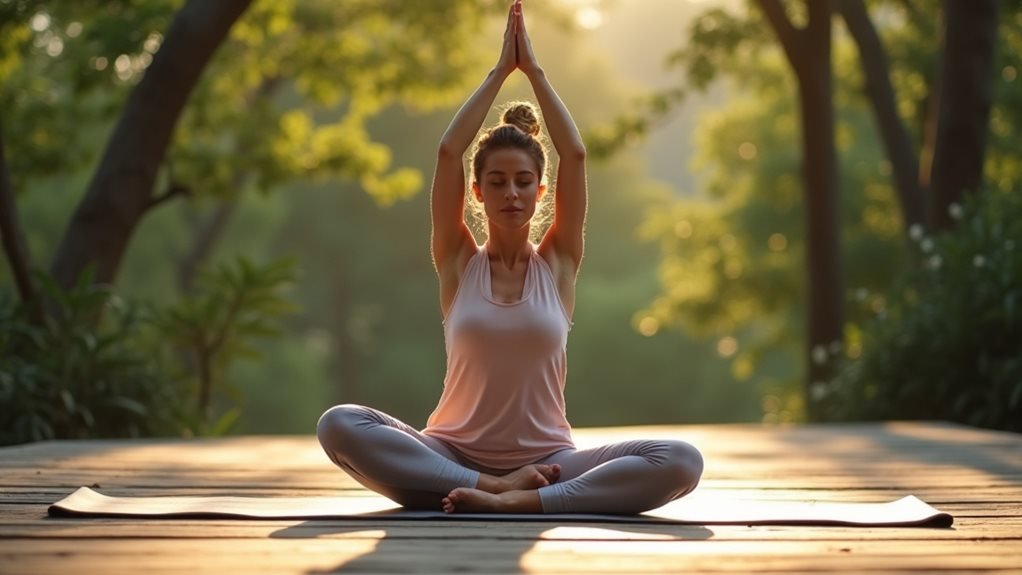
Although many people think effective exercise requires expensive gym memberships or equipment, I’ve discovered that simple bodyweight movements and stretching routines can greatly boost your mental health without spending a dime.
Free exercise creates powerful mental health benefits through natural endorphin release and stress reduction. When you move your body regularly, you’ll notice improved mood, reduced anxiety, and better emotional regulation.
Body awareness develops as you tune into physical sensations and breathing patterns during movement.
Here are three accessible ways to incorporate movement variety into your routine:
- Morning stretches – Start with 10 minutes of gentle yoga poses or basic stretches to awaken your body and mind.
- Walking meditation – Combine mindful walking with deep breathing for dual mental and physical benefits.
- Bodyweight circuits – Alternate between squats, push-ups, and planks for quick energy boosts.
Movement doesn’t require perfection—it requires consistency and willingness to listen to your body’s needs.
Frequently Asked Questions
How Long Does It Take to See Mental Health Improvements From Self-Care?
I’ll be honest with you – the self care timeline varies greatly between individuals.
You might notice small improvements in mood and stress levels within days or weeks of consistent practice.
However, meaningful mental health milestones typically emerge after 4-8 weeks of regular self-care habits.
I’ve found that factors like your starting point, consistency, and the specific activities you choose all influence how quickly you’ll see results.
Patience and persistence are key.
Can Self-Care Activities Replace Professional Therapy or Medication for Mental Health Issues?
I can’t recommend self-care as a replacement for professional treatment when you’re dealing with serious mental health conditions.
While self-care effectiveness is real and these practices offer valuable support, they shouldn’t serve as primary therapy alternatives for clinical depression, anxiety disorders, or other significant issues.
I’d suggest combining self-care with professional help rather than substituting it.
Think of self-care as complementary support that enhances, not replaces, evidence-based treatments.
What Should I Do if I Don’t Have Motivation to Start Self-Care?
Oh, you’re waiting for motivation to magically appear? How delightfully optimistic!
Here’s the secret: I don’t wait for motivation to strike like lightning. When facing a lack of motivation, I start ridiculously small—literally just washing my face or taking three deep breaths.
These micro self care strategies build momentum without overwhelming you. I’ve learned that action creates motivation, not the other way around.
You don’t need to feel ready to begin caring for yourself.
How Do I Know Which Self-Care Activities Work Best for My Personality?
I’d recommend starting with a simple personality assessment to understand your preferences and tendencies.
Are you introverted or extroverted? Do you prefer creative or analytical activities?
Then engage in activity experimentation – try different self-care practices for a week each. Notice which ones energize you versus drain you.
Pay attention to your body’s responses and mood changes. What feels natural and sustainable?
Trust your instincts about what resonates with your unique personality.
Is It Normal to Feel Guilty About Taking Time for Self-Care?
Self-care guilt is like carrying an invisible backpack filled with everyone else’s needs while your own get buried at the bottom.
I’ll tell you—it’s completely normal to feel guilty about prioritizing yourself. We’re conditioned to believe taking time for ourselves is selfish.
But here’s what I’ve learned: balancing priorities means recognizing that you can’t pour from an empty cup. Your well-being isn’t negotiable; it’s essential for showing up fully for others.
With this in Mind
While expensive spa treatments and therapy sessions grab headlines, I’ve discovered that life’s simplest practices often deliver the most profound healing. You don’t need a hefty bank account to nurture your mental health—just your willingness to breathe deeply, step outside, or pick up a pen. These free activities contrast sharply with costly wellness trends, yet they’re incredibly powerful. Your journey toward better mental health starts with small, accessible steps you can take right now.