

I’ve discovered that our deepest wounds often contain the seeds of our greatest contributions to the world. When I first encountered this idea, I was skeptical—how could something so painful become a source of meaning? Yet through countless conversations with survivors, healers, and changemakers, I’ve witnessed this transformation repeatedly. There’s a specific process that emerges, and understanding it can fundamentally shift how you view your own struggles.
Design Highlights
- Acknowledge your pain without judgment or comparison, recognizing that honest emotional acceptance is the foundation for transformation.
- Create healing space through self-compassion practices, establishing boundaries and rituals that signal safety for authentic emotional processing.
- Use structured self-reflection to identify deeper meaning, strengths, and patterns that emerge from your challenging experiences.
- Develop a unique mission statement based on your personal breakthroughs and identify who needs your insights.
- Take purposeful action by starting small service projects that directly help others through your transformed experience.
Acknowledge and Honor Your Pain Without Judgment

When we experience deep pain, our instinct often pushes us to suppress, dismiss, or rush past it—but transformation begins only when we face our suffering head-on.
I’ve learned that pain recognition isn’t about wallowing or becoming a victim. It’s about honest acknowledgment. You must sit with your hurt and say, “This happened. This is real. This matters.”
Without this vital step, you’ll carry unprocessed wounds that sabotage your future.
Emotional acceptance doesn’t mean you’re weak or broken. It means you’re human. When you honor your pain, you’re validating your experience and creating space for healing.
Honoring your pain isn’t weakness—it’s the courageous act of creating space where true healing can begin.
You’re not minimizing it by comparing it to others’ struggles or judging yourself for feeling hurt.
Stop telling yourself you “should be over it” or “shouldn’t feel this way.” Your pain deserves acknowledgment, not shame.
This isn’t about staying stuck—it’s about creating the foundation for genuine transformation.
Create Space for Healing Through Self-Compassion
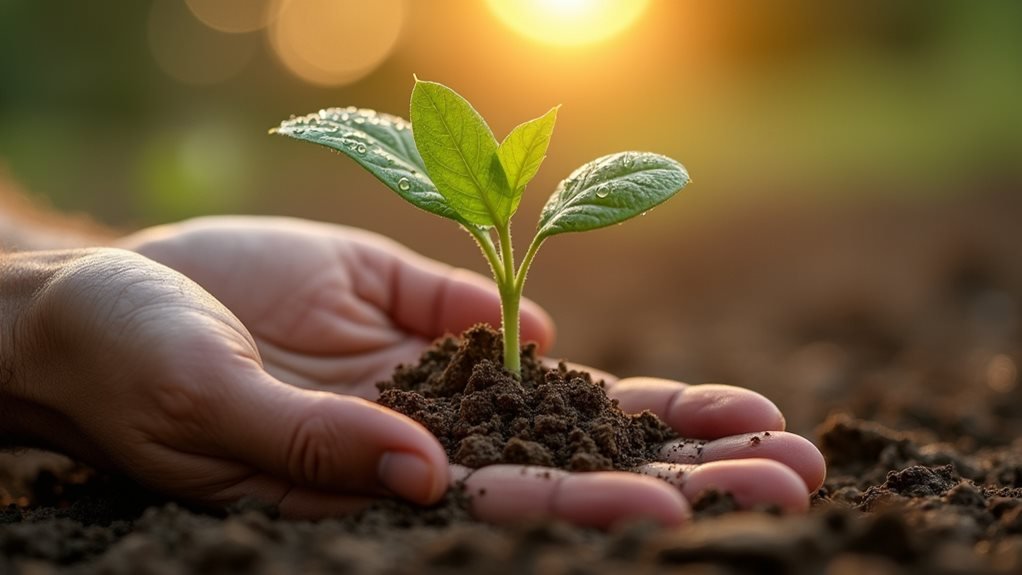
After you’ve acknowledged your pain, the next crucial step involves treating yourself with the same kindness you’d offer a dear friend going through hardship.
Self-compassion isn’t indulgence—it’s essential healing medicine.
I recommend establishing self care practices that nurture your wounded parts. This might include gentle movement, journaling, meditation, or simply allowing yourself to rest without guilt.
Create physical and emotional boundaries that protect your healing space.
Remember, emotional release doesn’t happen on a timeline. Some days you’ll progress; others you’ll feel stuck. That’s normal.
Speak to yourself with gentle words, not harsh criticism. When you catch yourself thinking “I should be over this by now,” pause and reframe: “I’m healing at my own pace.”
Set aside daily moments for self-compassion rituals. Maybe it’s morning tea in silence, evening baths, or afternoon walks.
These practices signal to your nervous system that you’re safe to feel and heal authentically.
Identify the Deeper Meaning Within Your Experience

Once you’ve created that foundation of self-compassion, you’re ready to excavate the profound lessons buried within your suffering. This isn’t about romanticizing pain—it’s about mining wisdom from your hardest moments.
I recommend using structured self-reflection techniques to uncover these insights. Start by asking yourself: What strengths did this experience reveal in me? How did it change my perspective on life? What values became crystal clear during this challenge?
Write your answers without filtering. Often, our greatest struggles illuminate our deepest priorities and untapped emotional resilience. Perhaps your loss taught you the preciousness of relationships. Maybe your failure revealed your tenacity. Your betrayal might’ve shown you the importance of boundaries.
Don’t rush this process. Meaning-making takes time, and insights often emerge gradually. Keep returning to these questions as you heal. The patterns you discover will become the foundation for transforming your pain into purposeful action.
Develop Your Unique Mission From Personal Transformation

As you’ve uncovered the deeper meanings within your experience, you’re positioned to craft a mission that transforms your personal breakthrough into service for others. Your self-discovery journey becomes the foundation for meaningful impact.
Start by identifying who needs what you’ve learned. Consider people facing similar struggles you’ve overcome. Your transformative experiences give you unique insights that resonate with specific audiences.
Next, define how you’ll deliver your message. Will you mentor individuals, create content, start a nonprofit, or build a business? Your delivery method should align with your strengths and passion.
Write a clear mission statement that captures your purpose. For example: “I help divorced women rebuild confidence and create fulfilling lives” or “I guide addiction survivors toward sustainable recovery through community support.”
Take Action to Serve Others Through Your Journey

Having your mission statement provides direction, but meaningful change happens when you translate purpose into action.
I’ve learned that serving others transforms your pain into something powerful and lasting.
Start small with direct service. Volunteer at organizations aligned with your mission. If addiction shaped your journey, mentor those in recovery. If loss taught you resilience, support grieving families. Your lived experience becomes your greatest qualification.
Community engagement amplifies your impact. Join local groups, attend meetings, and connect with like-minded individuals. Build relationships with people who share your vision for change.
Launch service projects that address specific needs you’ve identified. Organize support groups, create resource guides, or host educational workshops. These initiatives don’t require massive budgets—just genuine commitment.
Frequently Asked Questions
How Long Does It Typically Take to Transform Pain Into Purpose?
I can’t give you exact time frames because everyone’s journey is different.
Your emotional readiness plays a huge role in how quickly you’ll process and transform difficult experiences. Some people find meaning within months, while others need years to fully integrate their pain into something purposeful.
I’ve seen it take anywhere from six months to several years, depending on the trauma’s depth and your support system’s strength.
What if My Pain Feels Too Overwhelming to Find Any Meaning?
When you’re drowning in an ocean of pain, overcoming despair feels impossible.
I understand that overwhelming sensation where meaning seems nonexistent.
Start incredibly small—don’t search for grand purpose yet. Focus on surviving today, then tomorrow.
Finding clarity comes gradually through tiny steps: one breath, one conversation, one moment of rest.
Your pain doesn’t need immediate meaning. Sometimes the first purpose is simply learning you’re stronger than you knew.
Healing creates space for purpose later.
Can I Help Others While Still Struggling With My Own Healing?
Absolutely, you can help others while healing yourself. I’ve found that supporting someone else often brings unexpected comfort to my own wounds.
However, I must emphasize establishing solid emotional boundaries first. You can’t pour from an empty cup.
I recommend maintaining consistent self care practices—whether that’s therapy, journaling, or simply taking breaks when needed.
Your ongoing struggle doesn’t disqualify you; it often makes your empathy more authentic and powerful.
How Do I Know if I’m Ready to Share My Story Publicly?
Your story is like a tender wound that’s formed a protective scab—you’ll know it’s ready when touching it doesn’t make you bleed again.
I recommend using self-reflection techniques like journaling your motivations and triggers.
Test your emotional readiness by sharing with trusted friends first.
If you can tell your story without being retraumatized, maintain healthy boundaries, and genuinely want to help others, you’re likely ready to step into the spotlight.
What if People Don’t Respond Positively to My Purpose-Driven Mission?
I’ll be honest—embracing vulnerability means accepting that not everyone will understand your mission.
When steering through criticism, I’ve learned it’s not about universal approval. Some people will challenge your purpose, question your motives, or simply not connect with your message. That’s okay.
What matters is staying true to your why and remembering that your story resonates with those who need it most. You can’t please everyone, and you shouldn’t try.
With this in Mind
Your pain doesn’t have to define you—it can refine you. I’ve watched Sarah transform her battle with addiction into a peer counseling mission that’s saved dozens of lives. She acknowledged her struggle, created healing space, found meaning in her recovery, developed her unique approach, and now serves others daily. You can do this too. Start with step one today. Your pain is waiting to become someone else’s hope.